
Modelling
Atomistic simulation
Develop fast machine-learning interatomic potentials to simulate how atoms move and how materials behave.
Explore this areaProcess modelling, automation and robotisation
PROMAR connects machine learning, atomistic simulation, and automated experiments to discover materials and improve how they’re made.
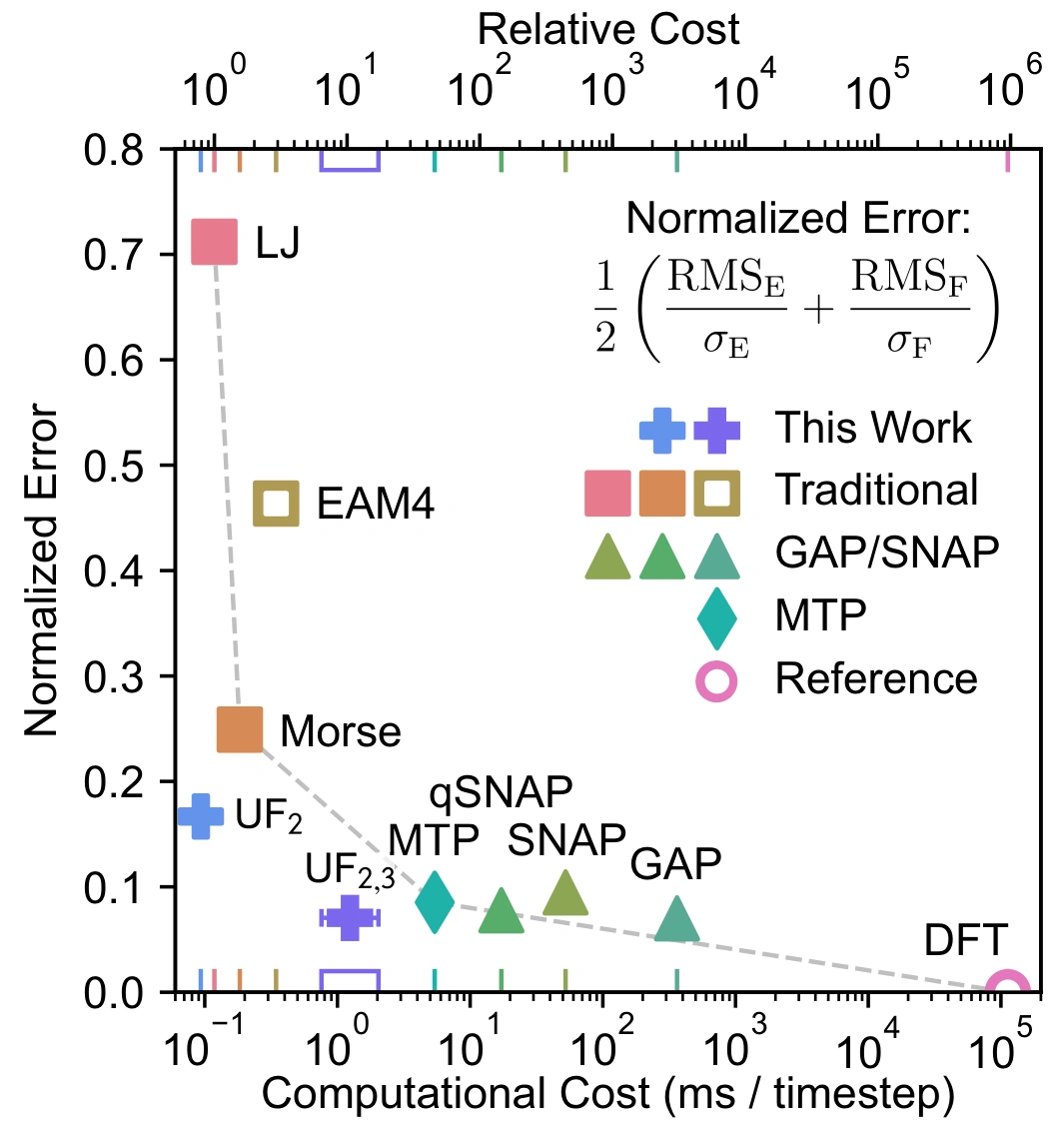
We develop efficient machine-learning models for costly experiments and quantum calculations. The models help researchers narrow down promising materials and decide what to test next.
PROMAR is part of the Scientific Instrumentation and Process Technology unit at the Luxembourg Institute of Science and Technology.
Modelling
Develop fast machine-learning interatomic potentials to simulate how atoms move and how materials behave.
Explore this areaOptimisation
Use predictive models and Bayesian optimisation to decide what to simulate or test next.
Explore this areaAutomation
Connect measurements, models, and control systems so experiments can inform the next step.
Explore this areaConference
Matthias Rupp presented “Data-Driven Materials Simulations and Experiments” at the University of Warsaw, Poland.
Team update
Conference
Matthias Rupp’s talk in Paderborn, Germany, covered how ultra-fast machine-learning interatomic potentials can accelerate atomistic simulations.
Physical Review B · 2025
npj Computational Materials · 2023
Physical Review B · 2023

Head of Group
Matthias leads PROMAR in LIST’s Scientific Instrumentation and Process Technology unit. His research applies machine learning to molecules and materials, including property prediction and faster atomistic simulation.